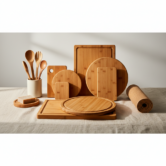

The bamboo products market has experienced remarkable growth, with the global bamboo products market valued at $68.8 billion in 2021 and projected to reach $98.3 billion by 2030. For Amazon private label sellers, this presents an exceptional opportunity to tap into the growing demand for sustainable household products.
Starting a private label bamboo products business on Amazon requires strategic planning, quality sourcing, and understanding of both market dynamics and Amazon’s ecosystem. This comprehensive guide will walk you through every step of building a successful bamboo products private label brand.
Understanding the Bamboo Products Market Opportunity
The shift toward sustainable living has created unprecedented demand for eco-friendly household products. 73% of global consumers say they would definitely or probably change their consumption habits to reduce their impact on the environment, according to Nielsen research.
Why Bamboo Products Are Trending on Amazon
Bamboo’s appeal extends beyond environmental benefits. The material offers:
- Natural antimicrobial properties – bamboo contains ‘bamboo kun’, a natural bio-agent that resists bacteria
- Superior durability – bamboo is 40% harder than oak and has a higher tensile strength than steel
- Fast growth – bamboo grows up to 35 inches in a single day, making it highly renewable
- Carbon negative – bamboo absorbs 35% more CO2 than equivalent forests
High-Demand Bamboo Product Categories
Amazon search data reveals these top-performing bamboo product categories:
- Kitchen cutting boards – Average selling price: $25-45, with premium options reaching $60+
- Bathroom organizers and shelves – Growing 15% year-over-year in search volume
- Spice racks and kitchen storage – High conversion rates due to functional design
- Desktop organizers – Boosted by remote work trends
- Step stools and utility items – Strong repeat purchase rates
Market Size and Profitability Insights
The bamboo kitchenware segment alone is expected to reach $1.4 billion by 2027. On Amazon, successful bamboo product sellers report:
- Average gross margins of 45-65%
- Customer lifetime value 2.3x higher than plastic alternatives
- Return rates typically under 3% for quality bamboo products
- Prime eligibility increasing conversion rates by 25-40%
Step-by-Step Guide to Launching Your Bamboo Products Brand
1. Product Research and Selection
Successful bamboo product selection requires analyzing multiple factors:
Market Demand Analysis: Use tools like Helium 10 or Jungle Scout to identify products with monthly search volumes above 10,000 and fewer than 200 competing listings. Look for keywords like “bamboo cutting board,” “bamboo spice rack,” or “bamboo bathroom shelf.”
Competitive Gap Analysis: Identify opportunities where existing products have consistent 1-3 star reviews mentioning specific issues like size, durability, or finish quality. These gaps represent opportunities for product improvement.
Seasonality Considerations: Kitchen and bathroom bamboo products typically see 20-30% higher sales during Q4, while organizational products peak during January and back-to-school seasons.
2. Finding Reliable Bamboo Product Manufacturers
Quality manufacturing is crucial for bamboo products success. Key criteria include:
Certification Requirements: Ensure manufacturers hold relevant certifications including FSC (Forest Stewardship Council) for sustainable sourcing, ISO quality management, and BSCI social compliance. These certifications are increasingly important for Amazon’s Brand Registry and customer trust.
Production Capacity: Partner with manufacturers capable of scaling. Look for facilities with minimum 20,000+ square meters of production space and monthly capacity exceeding 50,000 units to ensure consistent supply as your business grows.
Quality Control Processes: Verify manufacturers implement multi-stage quality control, including raw material inspection, in-process monitoring, and final product testing. Request detailed QC documentation and third-party inspection reports.
3. Product Development and Customization
Successful private label bamboo products require thoughtful customization:
Design Differentiation: Work with manufacturers offering full OEM/ODM capabilities. Consider unique features like:
- Custom dimensions optimized for specific use cases
- Laser engraving for premium branding
- Innovative joinery techniques for enhanced durability
- Multi-functional designs combining storage and organization
Packaging Innovation: Develop Amazon-ready packaging that protects products during shipping while creating unboxing experiences that encourage positive reviews. Sustainable packaging using recycled materials aligns with bamboo products’ eco-friendly positioning.
4. Amazon Listing Optimization Strategy
Bamboo products require specific optimization approaches:
Keyword Integration: Target long-tail keywords like “bamboo cutting board with juice groove” or “bamboo bathroom shelf 3 tier” which typically have higher conversion rates than generic terms.
Image Strategy: Bamboo products perform best with lifestyle images showing natural textures and sustainable benefits. Include close-up shots highlighting grain patterns and craftsmanship details.
A+ Content Focus: Use Enhanced Brand Content to educate customers about bamboo’s natural properties, care instructions, and environmental benefits. Include comparison charts showing bamboo advantages over plastic or other materials.
Scaling and Growing Your Bamboo Products Business
Inventory Management for Seasonal Demand
Bamboo products experience predictable seasonality requiring strategic inventory planning:
Q4 Preparation: Increase inventory by 40-50% for kitchen and gift-oriented items. Holiday shoppers often choose bamboo products for their premium appearance and eco-friendly messaging.
Lead Time Planning: Account for typical 30-day custom production timelines and shipping delays. Maintain safety stock of 60-90 days for best-selling SKUs.
New Product Rollouts: Plan product launches for Q1 or Q3 when competition for ad space is lower and customers are more receptive to trying new products.
Building Brand Recognition and Customer Loyalty
Successful bamboo product brands focus on education and community building:
Content Marketing: Create content around sustainable living, kitchen organization tips, and bamboo care guides. This positions your brand as an authority while improving organic search visibility.
Review Management: Proactively address common bamboo product concerns like initial odor (normal for new bamboo) or maintenance requirements through detailed product inserts and follow-up communications.
Cross-Selling Opportunities: Develop complementary product lines. Customers who purchase bamboo cutting boards often buy bamboo utensils, storage containers, or cleaning accessories.
International Expansion Strategies
Once established in the US market, consider expansion to European and Middle Eastern markets where bamboo product demand is growing rapidly:
- European markets show strong preference for FSC-certified products
- Middle Eastern consumers value durability and premium appearance
- Localization requirements vary by region for packaging languages and regulatory compliance
Financial Planning and Profitability Optimization
Sustainable growth requires careful financial management:
MOQ Planning: Most manufacturers require 500-piece minimum orders per SKU. Plan initial investments of $3,000-8,000 per product depending on complexity and customization level.
Cash Flow Management: Bamboo products typically have 45-60 day cash conversion cycles. Factor in production time, shipping, and Amazon’s payment terms when planning working capital needs.
Pricing Strategy: Premium positioning works well for bamboo products. Customers expect to pay 20-40% more than plastic alternatives for perceived quality and environmental benefits.
Common Challenges and How to Overcome Them
Quality Control and Customer Expectations
Bamboo products face unique quality challenges:
Natural Variations: Educate customers that grain patterns and color variations are natural characteristics, not defects. Include this information in product descriptions and packaging.
Care Instructions: Provide detailed care guides to prevent customer dissatisfaction. Proper maintenance significantly extends product life and reduces return rates.
Supply Chain Management
Building resilient supply chains requires:
Multiple Supplier Relationships: Develop relationships with 2-3 qualified manufacturers to ensure supply continuity and negotiate better terms.
Quality Assurance Programs: Implement regular factory audits and pre-shipment inspections. Third-party inspection services typically cost $300-500 per shipment but prevent costly quality issues.
Regulatory Compliance and Certifications
Stay ahead of evolving regulations:
- FDA compliance for food-contact bamboo products
- CPSIA requirements for products that might be used by children
- State-specific regulations like California Prop 65 disclosures
Ready to Launch Your Bamboo Products Business?
Starting a successful private label bamboo products business on Amazon requires the right manufacturing partner who understands both product quality and Amazon’s requirements. At Bambexa, we’ve helped hundreds of private label sellers build profitable bamboo product brands with our comprehensive OEM/ODM services, Amazon-ready packaging, and consistent quality backed by FSC, ISO, and BSCI certifications.
Our four factories spanning 20,000+ square meters can handle orders from 500 pieces to 50,000+ units monthly, ensuring your business can scale efficiently. With 25+ years of manufacturing heritage and deep expertise in cutting boards, spice racks, bathroom shelves, trays, step stools, and desktop organizers, we’re positioned to help you capture the growing bamboo products market opportunity.
Ready to discuss your private label bamboo products vision? Contact our team at Contact@bambexa.com or visit bambexa.com to explore how we can support your Amazon business growth with premium bamboo products that customers love.